Offshore Team for Accountants
Contacte al anunciante
(714) 987-9001
Contacte al anunciante
Area: New York ›
Categoría: Servicios Profesionales ›
Subcategoría: Contabilidad ›
Contacte al anunciante

Ingrese su email: (Requerido)
El email no es válido.
Mensaje para el anunciante: (Requerido)
El texto no es válido.
Contacte al anunciante

Anuncios similares
Offshore Team for Accountants
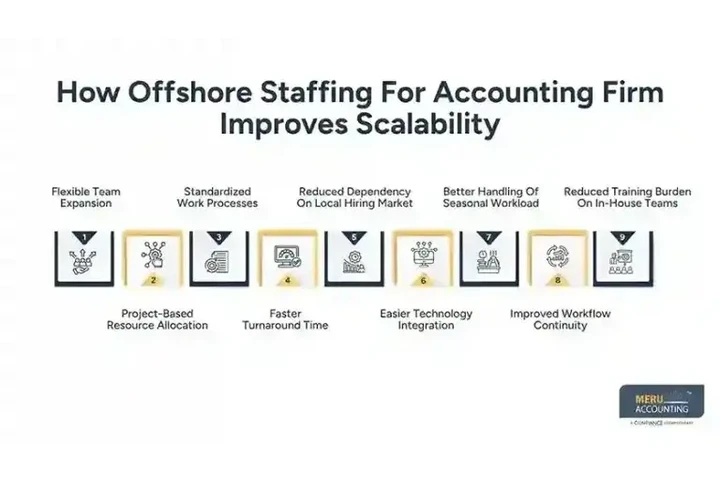
An offshore team for accountants refers to a group of remote finance professionals who support accounting firms by handling bookkeeping, ta
Expert Xero Bookkeeping Servic
Looking for professional Xero bookkeeping services that help your business stay organized, compliant, and financially strong? Easy Accounti
Anuncios similares
Offshore Team for Accountants
An offshore team for accountants refers to a group of remote finance professionals who support accounting firms by handling bookkeeping, ta
Expert Xero Bookkeeping Servic
Looking for professional Xero bookkeeping services that help your business stay organized, compliant, and financially strong? Easy Accounti